
Over the past two articles, we have shared summaries of the industry research reports compiled by Mizuho Bank. In this post, building on those reports, we will explore which industries are expected to grow in the future and what kinds of skills will be required in those growth sectors, including predictions generated by AI.
Of course, the answers provided by AI are not guaranteed to be 100% accurate and, like humans, AI can also make mistakes. We hope this information will be useful for those interested in Japanese companies.
Past Article


1. IT, Information Services, and Electronics
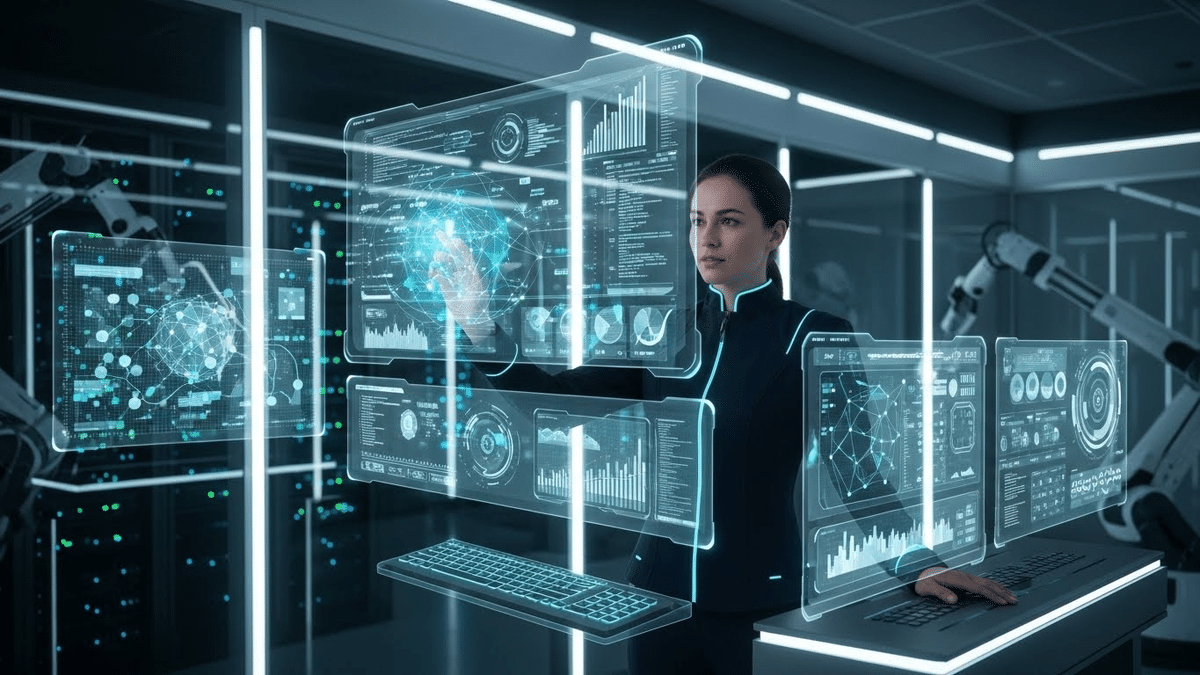
The IT sector is expected to continue growing steadily. With advances in AI, cloud computing, and data utilization, all aspects of business operations are becoming increasingly digitalized.
Required Skills
- Programming: Python, Java, JavaScript, etc.
- Data Analysis: Advanced Excel, SQL, BI tools such as Tableau and Power BI
- AI & Machine Learning: Model building, data preprocessing, and evaluation
- Cloud Technologies: Experience with AWS, Azure, GCP
- Business Improvement Skills: Ability to plan and implement IT solutions that address company challenges
In particular, individuals who can think strategically about how IT can transform business processes will become even more valuable in the future.
2. Healthcare, Medical, and Nursing/Care Services

Due to changes in population structure, this sector is expected to see steadily increasing demand. The integration of healthcare and IT—such as online consultations and health management apps—is also expected to drive growth.
Required Skills
- Basic Medical Knowledge: Medical administration, nursing, caregiving, and related fields
- ICT Utilization: Electronic medical records, online consultation systems, monitoring IoT devices
- Rehabilitation & Health Support: Exercise guidance, nutrition, and lifestyle improvement knowledge
- Communication Skills: Building trust with patients and elderly individuals
- Service Design Skills: Planning new healthcare and caregiving services from the user’s perspective
Here too, the combination of IT skills and strong communication abilities is a key factor for success.
3. Energy (Electric Power & Renewable Energy)

With the global acceleration of decarbonization, renewable energy is expected to continue attracting increased investment in the coming years.
Required Skills
- Renewable Energy Technologies: Design and operation of solar and wind power systems
- Power Equipment Operation: Stable management of transmission and distribution
- Energy Efficiency & Environmental Technologies: Proposals and analysis for CO₂ reduction
- Project Management: Planning and overseeing equipment installation and construction projects
- Regulatory Compliance: Understanding environmental regulations and safety standards
Not only technical expertise but also the ability to understand and navigate regulations effectively is a key strength in this field.
4. Materials (Chemicals, Steel, etc.)
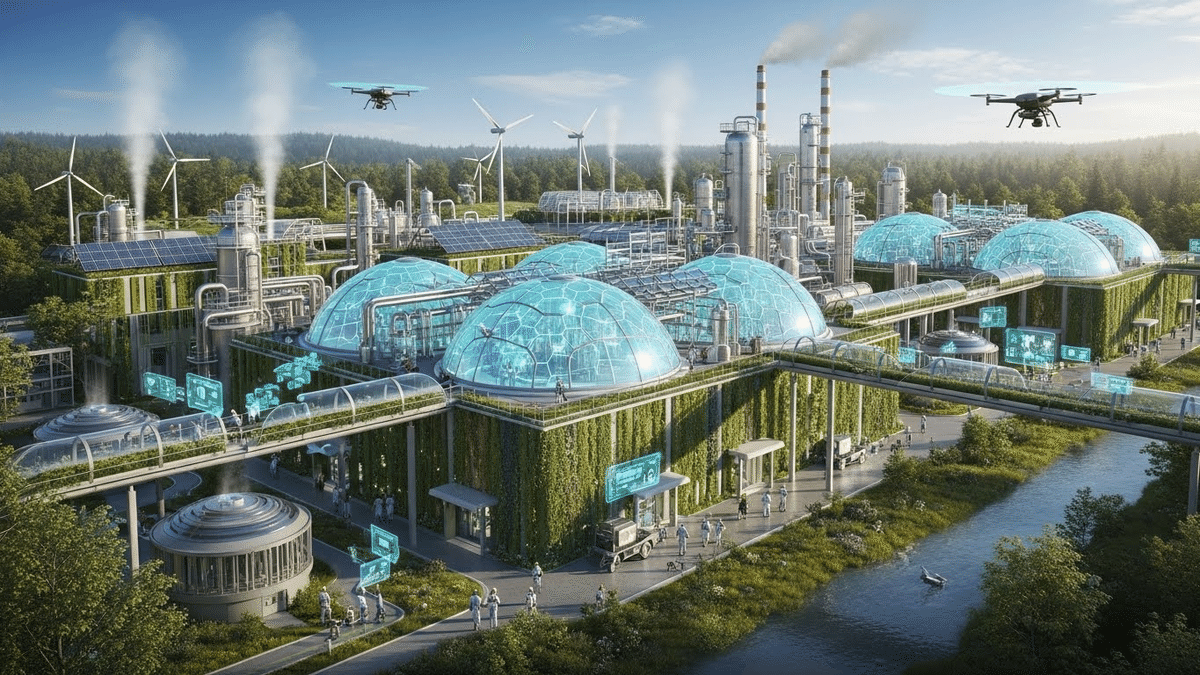
The demand for environmentally friendly materials and lightweight solutions is growing, and even traditional industries are undergoing significant transformation.
Required Skills
- Material Analysis & Development: Chemical experiments, evaluation of material properties, operation of analytical instruments
- Environmental Technologies: Low-CO₂ manufacturing processes, recycling technologies
- Quality Control: QC methods, process improvement
- CAD/CAE: Material and component design, simulation skills
- Supply Chain Management: Optimization of inventory, procurement, and production
A combination of research expertise and digital skills is increasingly required in this field.
5. Automotive, Machinery, and High-Value Manufacturing
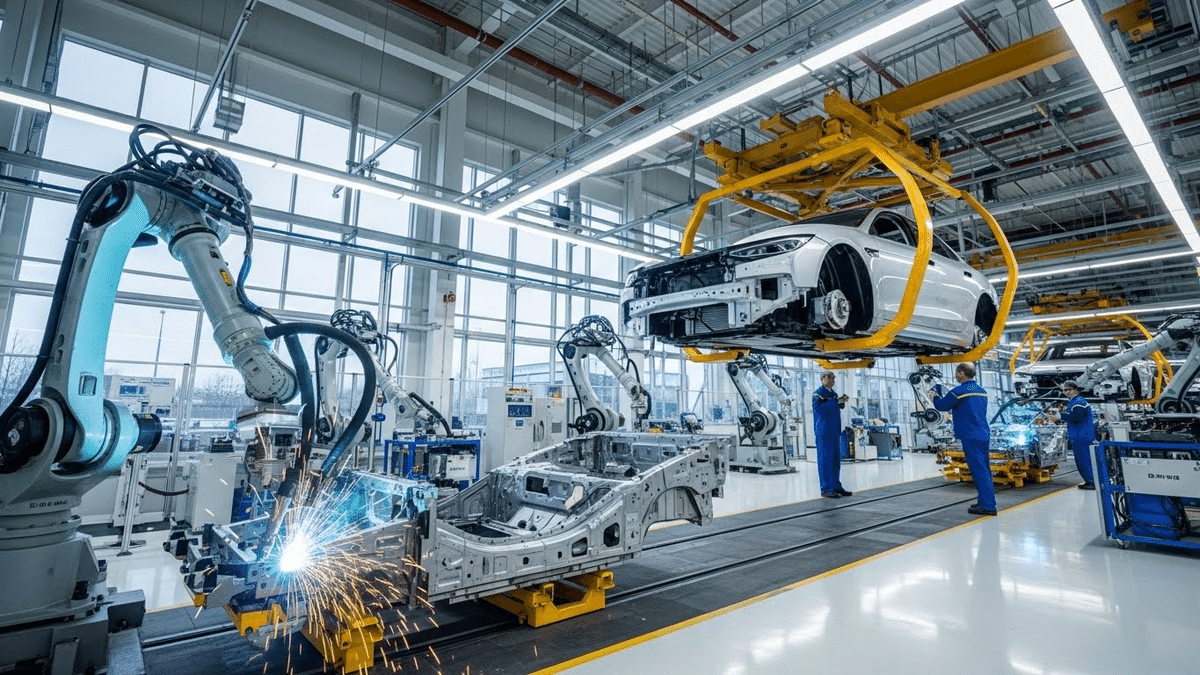
With the rise of EVs, robotics, and smart factories, the manufacturing sector is increasingly becoming digitalized.
Required Skills
- Mechanical & Electrical Design: CAD (CATIA, SolidWorks, etc.)
- Control & Automation Technologies: PLC control, robot integration, IoT implementation
- EV & Next-Generation Technologies: Battery management, motor control, in-vehicle software
- Production Management & Improvement: Process design, efficiency optimization, quality improvement
- Service & Business Design Skills: Creating value through combining products with digital services
As product development increasingly integrates digital services, the skills required in the manufacturing industry are evolving significantly.
Summery

What is common across all industries is the increasing importance of a combination of (1) specialized knowledge, (2) digital skills, and (3) planning & communication abilities.
However, having these skills does not mean you will automatically be hired by any company. In reality, hiring decisions are heavily influenced by practical factors such as the offered salary and alignment with company conditions, the number of previous job changes and consistency in work history, and age-related expectations for different roles.
The strong influence of these practical factors on hiring decisions is a characteristic feature of the Japanese labor market.

コメント