
On Friday, December 19, 2025, Mercari and Suruga-ya announced a capital and business alliance. This partnership between two companies with different business models in the second-hand market has drawn significant attention.
In recent years, “capital and business alliances” have become increasingly common across industries. But what exactly is a capital and business alliance, and how will this collaboration benefit both companies? How will it affect their revenue models? This article explores these questions to provide a clearer understanding.

Business Models of Mercari and Suruga-ya
Mercari

- Overview: Operates a flea market app allowing individuals to buy and sell second-hand items.
- Categories: Almost all categories (with some exceptions).
- Transactions: Individual/Corporate sellers ↔ Individual buyers.
- Revenue: Takes a percentage of the sale price as a transaction fee.
- Overseas analog: Similar to eBay in global reach and individual-to-individual marketplace.
Suruga-ya

- Overview: Buys second-hand items from individuals and companies, then resells them.
- Categories: Focused on used games, anime, and hobby goods.
- Transactions: Individual/Corporate sellers ↔ Suruga-ya ↔ Individual/Corporate buyers.
- Revenue: Difference between purchase price and resale price.
- Overseas analog: Comparable companies include Mandarake (Japan-origin but serving international customers) and Big Bad Toy Store (US-based collectibles reseller).
What is a Capital and Business Alliance?

Simply put, it’s a relationship where companies both hold shares in each other and collaborate on business operations. Cooperation can take several forms:
- Business Alliance
- Collaborate on services, share technology or customers.
- No financial investment (no stock).
- Example: Joint campaigns, system integration.
- Capital Alliance
- Purchase shares in the partner company.
- Some influence over management.
- Collaboration may still be limited.
- Example: Investment without active operational cooperation.
- Capital and Business Alliance (this case)
- Hold shares (capital) and collaborate operationally (business).
- A solid, legally and financially binding relationship, not just a handshake agreement.
Why include capital?
- Partner growth = direct benefit for your company.
- Encourages long-term collaboration.
- Signals serious commitment.
Analogy:
- Business alliance = friends organizing an event together.
- Capital and business alliance = friends investing together to open a store.
Benefits for Mercari and Suruga-ya
Mercari:
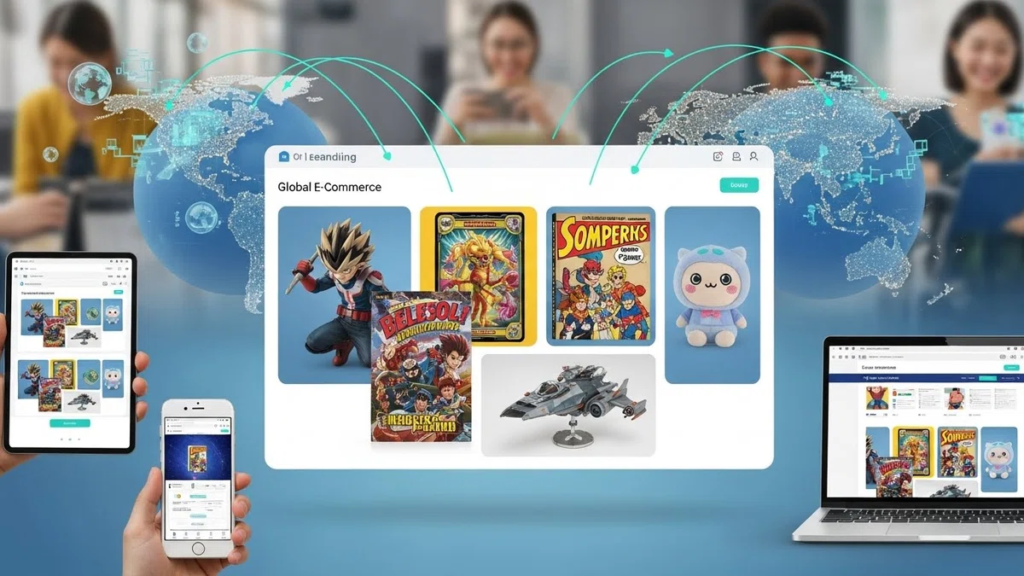
- Access to Suruga-ya’s inventory greatly increases both quality and quantity of products in the entertainment and hobby category.
- Captures demand from international markets for anime, games, and Japanese pop culture.
- Revenue model: Overseas users ↔ Domestic & international hobby product sellers (increased transaction fee revenue).
Suruga-ya:
- Launches “Mercari Suruga-ya Store” to expand sales channels globally.
- Access to both domestic and international markets for Japanese culture products.
- Revenue model:
- Before alliance: Domestic sellers ↔ Suruga-ya ↔ Domestic buyers
- After alliance: Domestic & international sellers ↔ Suruga-ya ↔ Domestic & international buyers
Why a Capital and Business Alliance?
- Long-term, strong partnership
- Business alliances alone are contract-based and may lack commitment.
- Capital investment aligns interests and ensures mutual success.
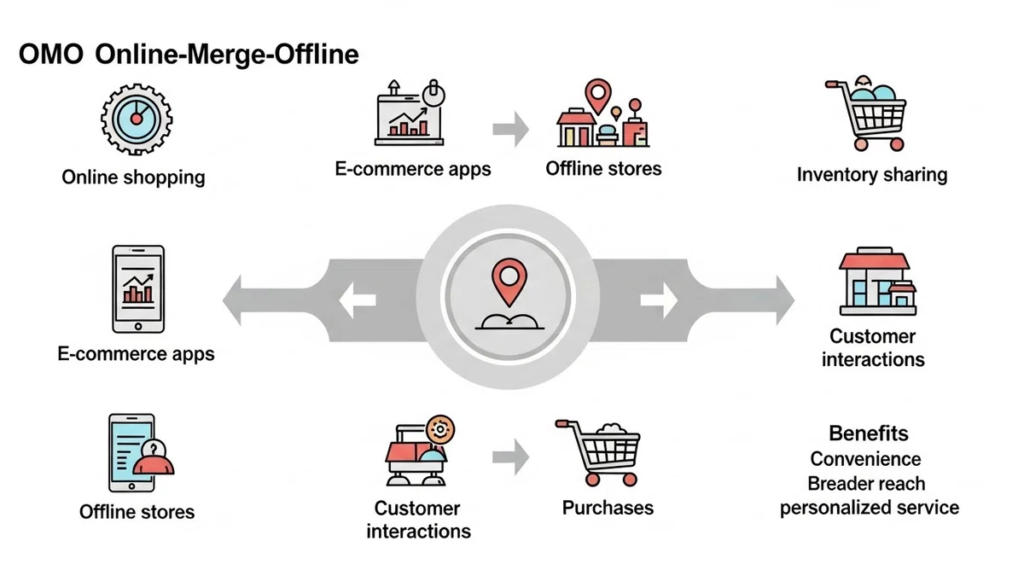
- Shared risk in global expansion and OMO initiatives
- Cross-border e-commerce and online-offline integration (OMO) involve risks like inventory management and market entry.
- Capital partnership facilitates smoother decisions and shared risks.
- Stable supply and reliability
- Mercari requires consistent supply and quality assurance of Suruga-ya products globally.
- Capital participation ensures Suruga-ya’s strong commitment.
Conclusion
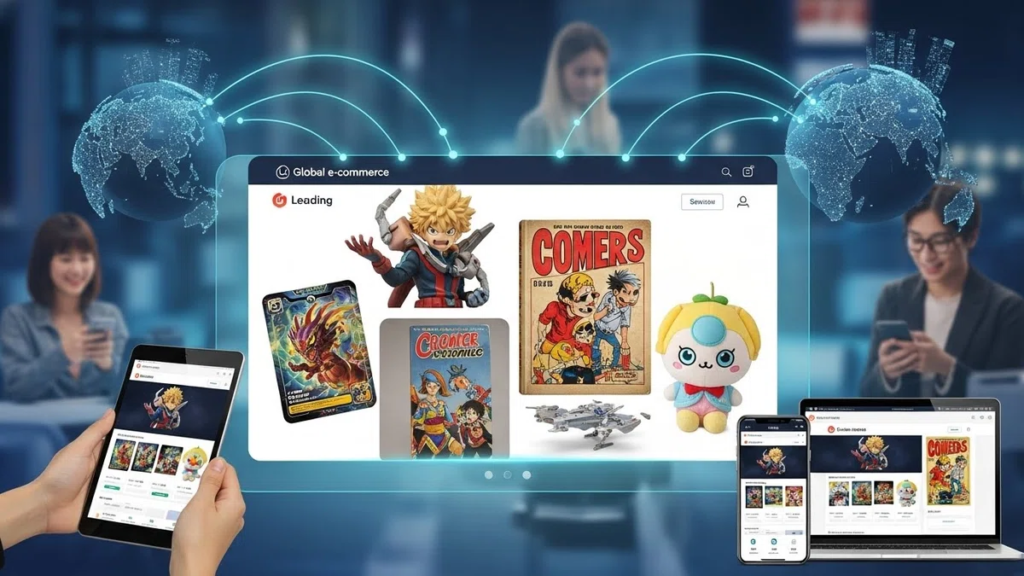
This capital and business alliance is strategically significant, creating synergies in product assortment, safety, sales channels, and revenue models. It represents a major step toward delivering Japanese entertainment and hobby culture to the global market.
Note: Images used are for illustration purposes only; actual stores or products may differ.
コメント