

Recent reports of U.S. military actions involving Venezuela have once again drawn global attention to the country.
I previously wrote about the relationship between Venezuela and Japan, but a more basic question often goes unanswered:
What exactly is Venezuela, and why does it matter?
Outside of professionals such as traders, investors, bankers, or policymakers, many people struggle to explain what kind of country Venezuela is or why it frequently appears in geopolitical headlines.
This article takes a step back and looks at Venezuela from the ground up:
- What kind of country is it?
- How has it sustained its economy?
- Why has its relationship with the United States been so tense?
- And where might it be heading next?

What Kind of Country Is Venezuela?
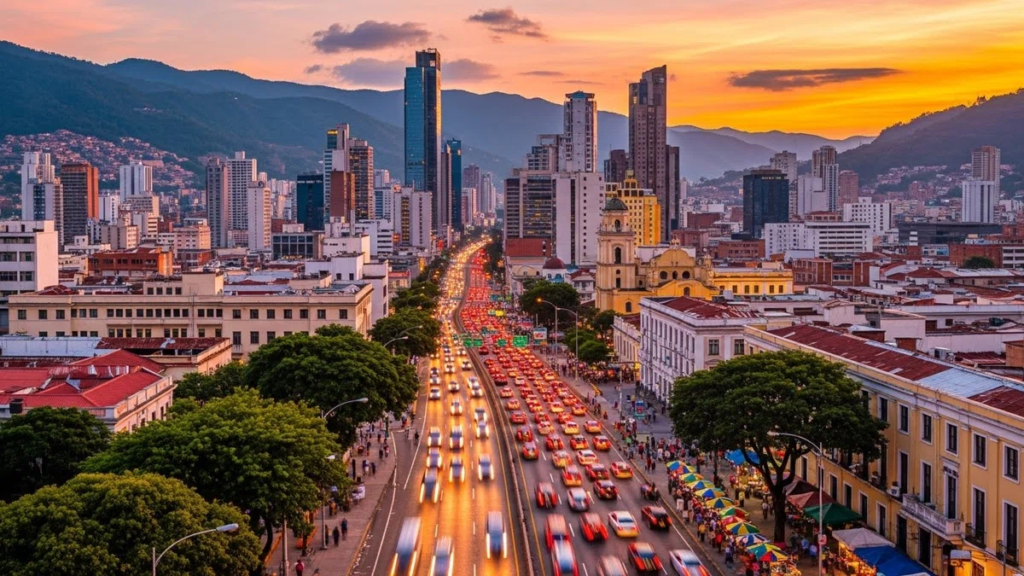
Venezuela is located in northern South America, along the Caribbean Sea.
It has a population of approximately 28 million people, and Spanish is the official language.
For much of the 20th century, Venezuela was considered one of the wealthiest countries in Latin America.
The primary reason was simple: oil.
Basic Facts About Venezuela

- Official name: Bolivarian Republic of Venezuela
- Location: Northern South America (bordering Colombia, Brazil, and Guyana)
- Population: ~28 million
- Main industry: Oil
Venezuela holds one of the largest proven oil reserves in the world, particularly in the Orinoco Oil Belt, a region containing vast heavy crude deposits.
How Has Venezuela Made a Living?
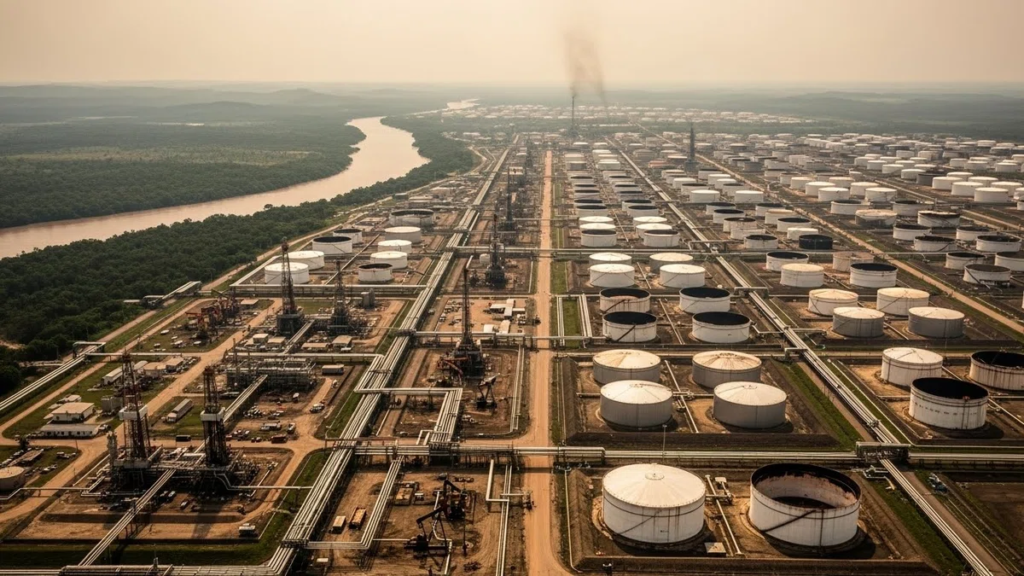
In short, Venezuela has relied almost entirely on oil.
- Over 90% of export revenues came from oil-related products
- Government finances were heavily dependent on oil income
- Manufacturing and agriculture remained relatively underdeveloped
Countries with this structure are often referred to as petro-states.
When oil prices were high, Venezuela was able to expand social programs and public spending.
When prices fell, however, the entire economic system became vulnerable almost overnight.
The Deep Link Between Oil and Politics
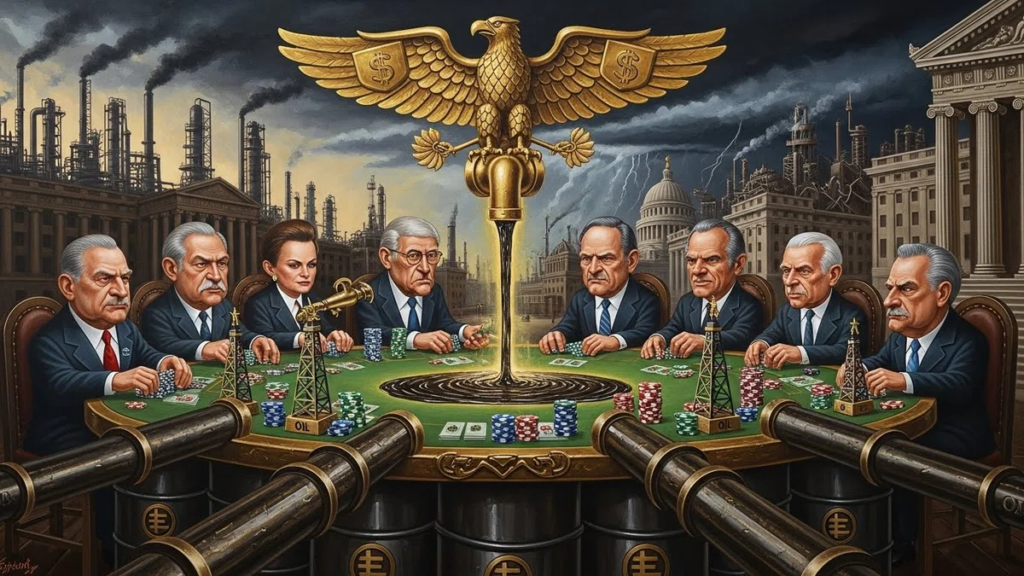
From the late 1990s onward, Venezuela underwent major political changes:
- Nationalization of the oil industry
- Stronger state control over resource distribution
- An increasingly anti-U.S. political stance
Under the Chávez administration and its successors, oil became not only an economic asset, but also a political instrument.
This led to:
- Withdrawal of foreign companies
- Chronic underinvestment
- Aging infrastructure
As a result, oil production declined significantly despite the country’s vast reserves.
The U.S.–Venezuela Relationship
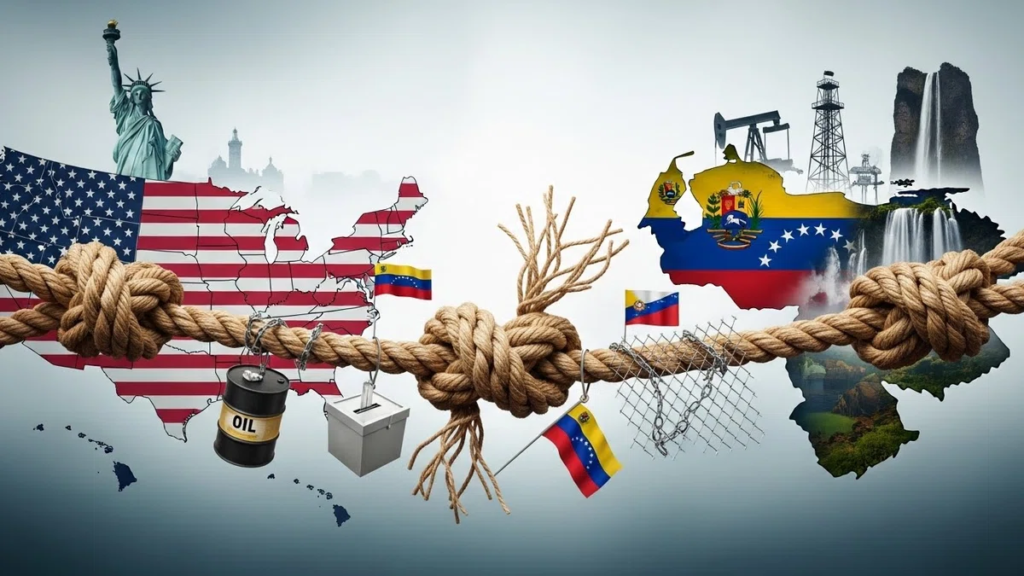
Once a Key Trading Partner
For much of the 20th century, Venezuela was a major oil supplier to the United States.
American energy companies played a central role in developing Venezuelan oil fields.
Deterioration and Sanctions
Over time, political differences intensified:
- Disputes over democracy and human rights
- Economic sanctions imposed on the Venezuelan government
- Severe restrictions targeting the oil sector
These measures led to:
- A sharp drop in exports to the U.S.
- Acute shortages of foreign currency
- A deepening economic crisis
Recent Developments
In recent years, changes in global energy markets have led to a partial shift:
- Limited easing of U.S. sanctions
- Conditional approval of oil transactions
- Restricted operations by U.S. firms such as Chevron
These moves suggest that Venezuelan oil still holds geopolitical importance, despite the country’s economic struggles.
Why Did Venezuela Fall Into Crisis?
Several factors converged:
- Overdependence on oil
- Low resilience to price fluctuations
- Tight coupling of politics and economic management
- Deteriorating international relations
Venezuela’s greatest strength—its oil wealth—became its most serious vulnerability.
What Lies Ahead for Venezuela?
It is misleading to view Venezuela’s future as a choice between rapid recovery and total collapse.
A more realistic outlook is one in which limited recovery and structural constraints coexist.
1. Oil Will Matter Again — But Not Like Before
Oil will remain central, but:
- Aging facilities
- Shortages of skilled labor
- Years of underinvestment
make a rapid production rebound unlikely.
Venezuela has oil, but cannot fully utilize it yet.
2. Political Risk Remains the Largest Uncertainty
If political stability and international relations improve, foreign investment could gradually return.
If tensions rise, sanctions may tighten once again.
The economy remains highly sensitive to political developments.
3. Partial Normalization, Not Full Recovery
More likely scenarios include:
- Recovery limited to specific sectors or urban areas
- Persistent inequality and instability elsewhere
Growth, if any, will be uneven.
4. Population Outflow and Social Change
Large-scale emigration has caused:
- Labor shortages
- Loss of skilled professionals
At the same time, the diaspora could become a long-term asset if conditions improve.
Conclusion: A Country Changing Slowly Under Constraints

Venezuela is:
- A country with immense oil wealth
- An economy overly dependent on a single resource
- A nation whose fate has been deeply shaped by its relationship with the United States
Its future is unlikely to be dramatic revival or complete failure.
Instead, Venezuela appears set to change gradually, within tight constraints, while continuing to struggle with how best to manage its resources.
In that sense, Venezuela serves as a powerful case study in how the distance—or lack of it—between resources, politics, and economic management can shape a nation’s destiny.
Thanks for always supporting me! If you like my content, a cup of coffee’s worth of support would mean a lot.


コメント